
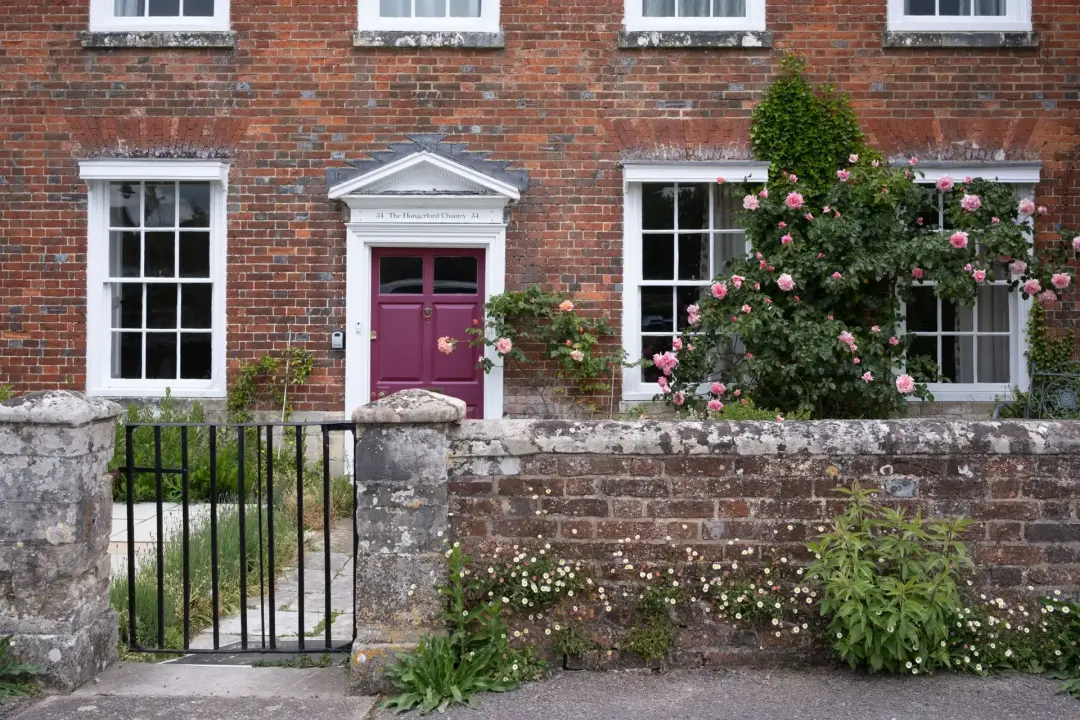
Why choose bespoke windows and doors? Get custom-fit, stylish solutions that enhance your property's appearance, security, and energy efficiency.
What Are Bespoke Windows and Doors?
Bespoke windows and doors are made to meet the exact measurements, design needs and practical requirements of a particular property. Unlike standard products, which are manufactured in a limited range of common sizes, bespoke products are created for a specific opening. This means their height, width, shape and depth can all be adjusted to provide a more accurate fit.
The term bespoke also refers to the wider design choices available. A homeowner may be able to select the frame material, opening style, glass type, hardware, colour and finish. Features such as decorative bars, shaped panels and specialist handles can also be included. These details allow the finished product to suit both the building and the homeowner’s preferences.
A bespoke design can be used for a single feature window, a front entrance or every window and door in a property. It may be chosen because standard sizes do not fit, but it can also be selected to achieve a particular appearance or level of performance. Each product is planned around the purpose of the room and the conditions around the opening.
This approach gives greater control over the final result. Instead of changing an existing opening to accept a standard product, the window or door is made to work with the property. The result can look more natural, operate more smoothly and provide a better balance between appearance, comfort, security and energy efficiency.
Designed to Fit Your Property
One of the main reasons to choose bespoke windows and doors is the quality of the fit. Even properties that appear to have standard openings can have small differences in width, height, depth or angle. These differences may be caused by the age of the building, movement over time or the methods used during construction.
A made-to-measure product is created using detailed measurements from the actual opening. This allows the frame to follow the shape of the surrounding structure more closely. A precise fit can reduce the need for large amounts of packing, filler or additional trim, helping the installation look cleaner and more balanced.
An accurate fit also supports better performance. Gaps around a poorly fitting frame can allow draughts, moisture and outside noise to enter the property. They may also place pressure on the frame, hinges or locking points. A correctly sized window or door is more likely to open, close and lock smoothly without unnecessary strain on its moving parts.
Bespoke design can also account for practical features near the opening. These may include deep walls, low ceilings, nearby furniture, internal shutters or restricted outdoor space. The opening direction and frame layout can be planned around these conditions. This ensures that the product is not simply the correct size, but is also suitable for the way the room and property are used.
Greater Choice of Styles and Materials
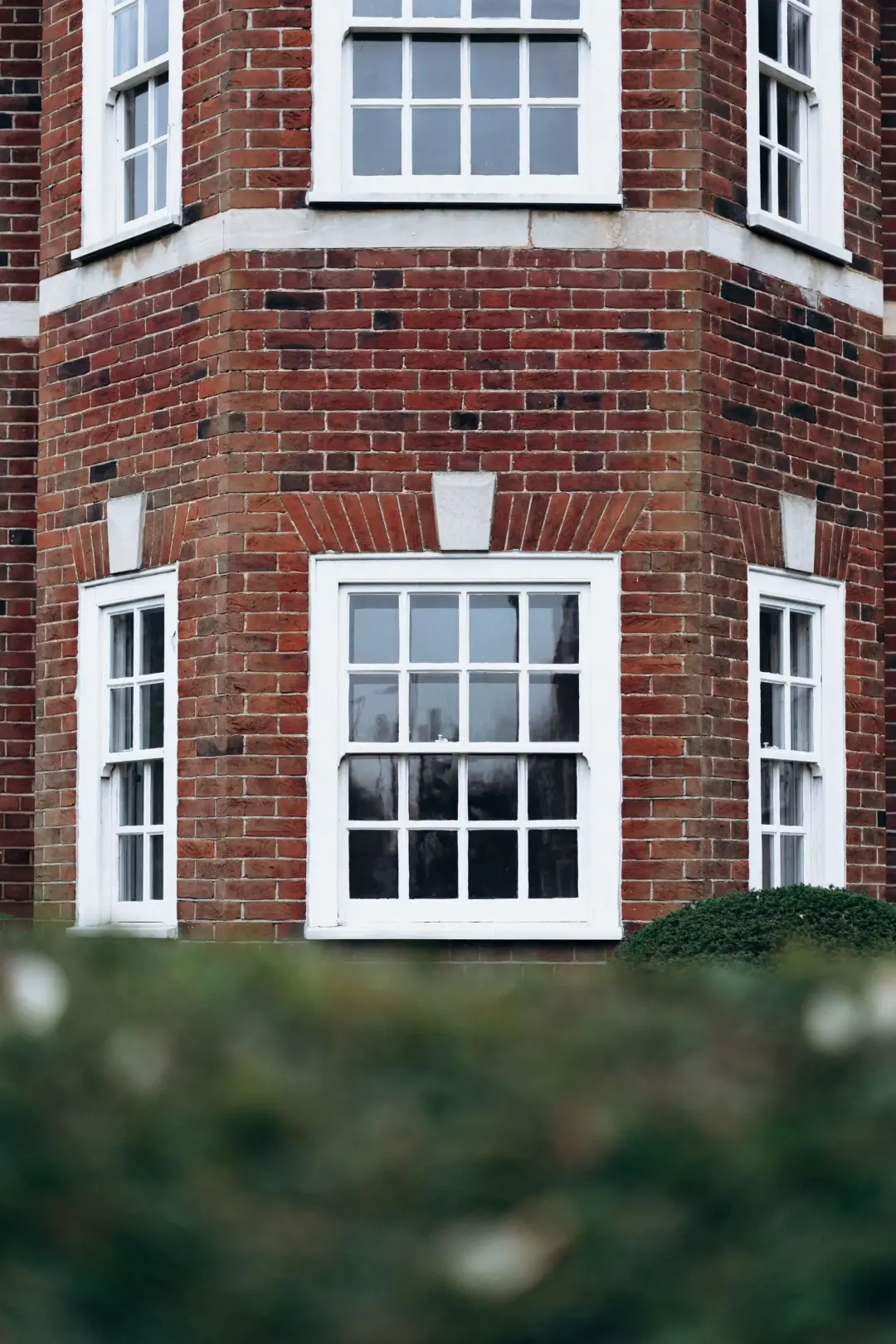
Bespoke windows and doors give homeowners access to a wider selection of styles than many standard ranges. Windows may be designed as casement, sash, tilt and turn, fixed, bay or shaped units. Doors may include traditional entrance doors, glazed doors, sliding systems, folding designs or French doors. Different styles can also be combined within the same property.
The choice of material is equally important. Timber can provide a natural and traditional appearance, while aluminium can create slim frames and a modern finish. Other frame materials may offer simple maintenance and dependable insulation. The right option will depend on the building, the desired appearance, the available budget and the level of care the homeowner wishes to provide.
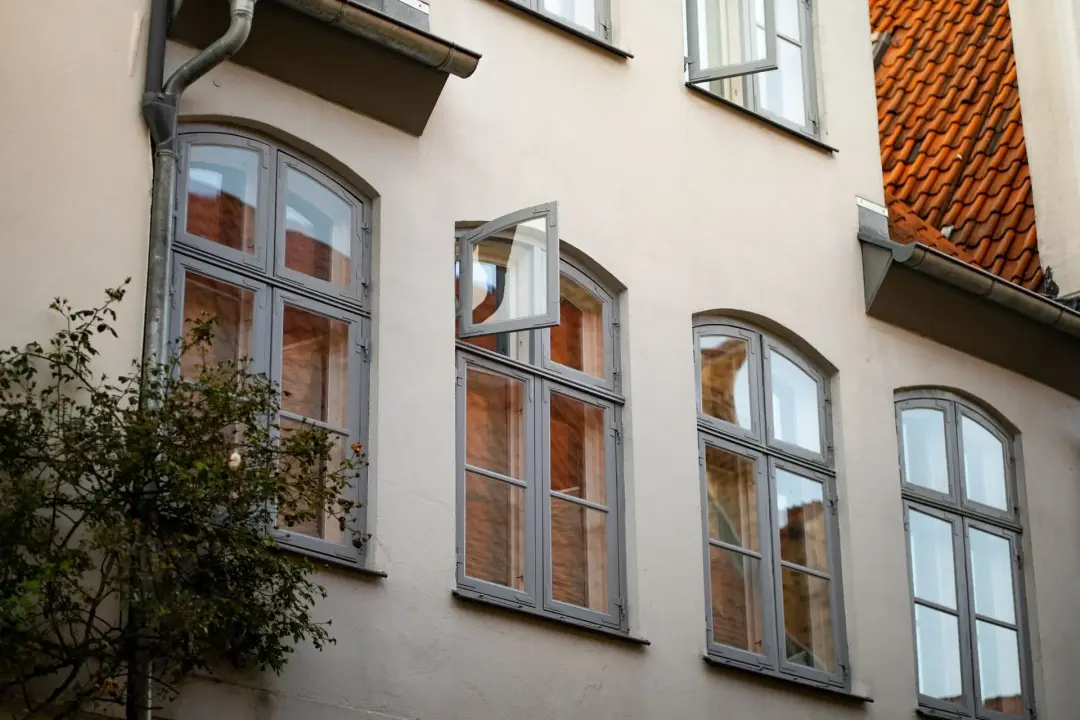
Bespoke products also allow different materials to be considered for different areas. A traditional front elevation may require detailed timber windows, while a modern extension may suit large aluminium-framed glazing. When planned carefully, this contrast can help each part of the property retain its own identity without making the overall design appear disconnected.
The wider choice makes it easier to balance appearance with practical needs. A homeowner does not have to accept a material or style simply because it is available in the required size. Instead, the design can be developed around the building. This freedom is especially valuable when a property has a strong architectural style or when the owner wants to create a distinctive feature.
Suitable for Unusual Openings
Not every window or door opening is square or rectangular. Some buildings include arches, circles, triangles, sloping edges or curved walls. Others may have extremely narrow, wide or tall openings. Standard products are unlikely to fit these spaces correctly, and changing the structure may damage the appearance or create unnecessary building work.
Bespoke manufacturing allows the frame to follow the actual shape of the opening. Templates, detailed measurements and careful design work can be used to reproduce curves and angles accurately. This makes it possible to replace an existing shaped window or introduce a new design that makes better use of an unusual area.
A made-to-measure approach can also help in spaces where access or operation is restricted. A window beneath a sloping roof may need a special opening method, while a door in a narrow passage may need carefully positioned hinges. These practical matters can be considered before the product is made, reducing problems during installation and everyday use.
Using a bespoke product can preserve the feature that makes an opening special. Instead of covering an arch with a rectangular frame or reducing a large opening, the original shape can remain visible. This can improve the appearance of both the inside and outside of the building. It also allows difficult spaces to provide useful light, ventilation, views or access.
Improved Energy Efficiency
Windows and doors form part of the outer barrier that protects a home from changing weather. If they fit poorly or contain unsuitable glass, heat can escape during colder months and enter too easily during warmer periods. Bespoke products can be designed to reduce these problems by combining accurate sizing with appropriate materials and glazing.
A close fit around the opening helps limit gaps where air can pass through. Suitable seals can be placed around opening sections, frames and thresholds to reduce draughts. The frame design can also be chosen with insulation in mind, helping to reduce the movement of heat through the product itself.
The glazing can be selected according to the position and purpose of each opening. Double or triple glazing may be considered, along with coatings that help control heat movement. Gas-filled spaces and warm edge parts can further improve performance. The best arrangement may vary depending on whether the window faces strong sunlight, cold winds or a shaded area.
Better energy efficiency can make indoor temperatures easier to manage. The heating system may not need to work as hard to replace lost warmth, while carefully selected glazing can help prevent some rooms from becoming too hot. Performance still depends on correct installation and the wider condition of the building, but bespoke products allow each opening to be treated as part of a complete energy plan.
Better Security for Your Home
Windows and doors are important points of access, so their design can affect the security of the whole property. Bespoke products allow security features to be considered from the beginning rather than added later. The frame, glass, hinges, locks and handles can all be selected to provide a suitable level of protection.
A well-fitting frame is an important starting point. Large gaps, weak fixing points or poorly aligned locks may make a product easier to force. A bespoke frame can be made for the exact opening and installed with suitable fixings. This creates a stronger connection between the window or door and the surrounding structure.
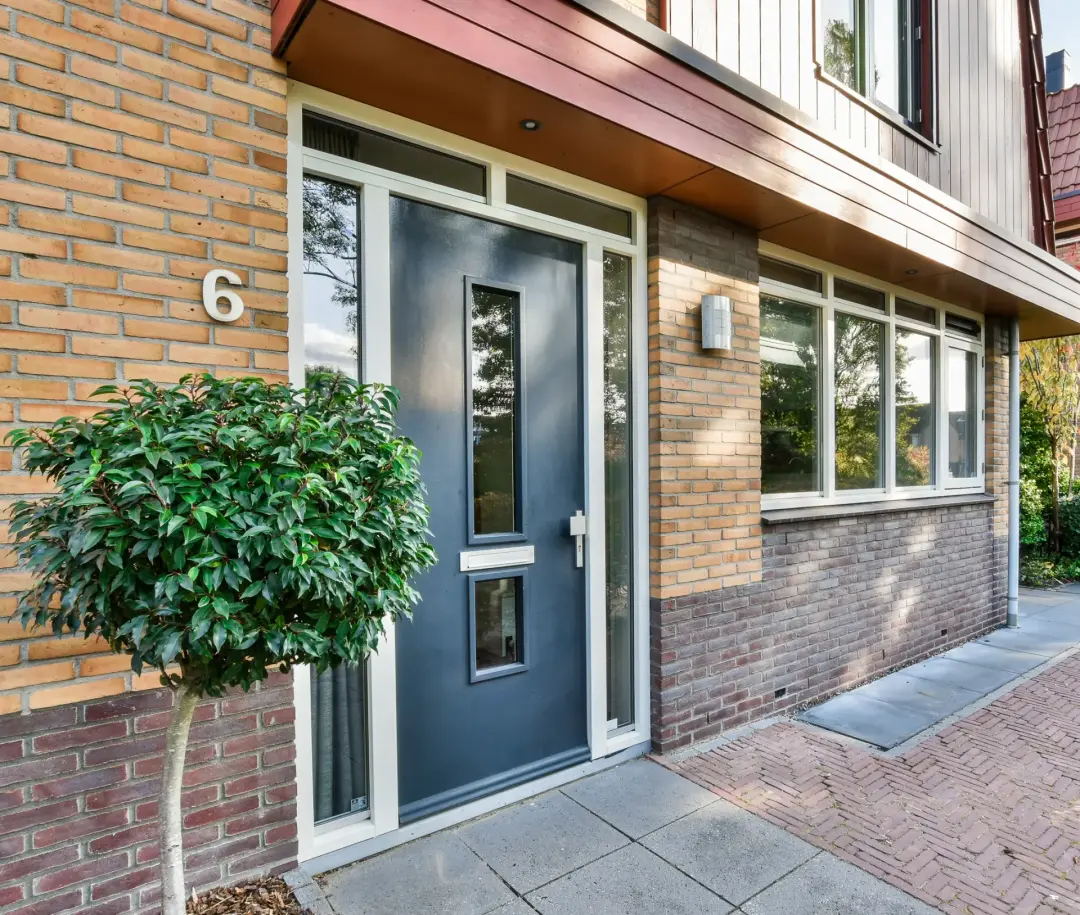
Locking systems can be chosen according to the type and location of the product. A main entrance may require several locking points, protected cylinders and strong internal parts. Ground-floor windows may benefit from lockable handles and reinforced closing points. Hinges can also be protected, particularly on outward-opening designs where some parts may be accessible from outside.
Glass selection can provide another layer of protection. Laminated or strengthened glass may be used in areas that face a greater risk of impact or forced entry. Security should remain balanced with safe escape, ventilation and everyday convenience. Bespoke planning makes it easier to consider all these needs together, creating products that feel secure without being difficult for household members to operate.
Made to Match Your Property’s Character
Every property has its own visual character, shaped by its age, proportions, materials and architectural details. Windows and doors are a large part of that character because they affect the pattern and balance of each wall. Replacing them with products that have unsuitable shapes or frame sizes can change the appearance of the entire building.
Most bespoke designs allow for important details to be copied or carefully adapted. Frame proportions, opening arrangements and decorative features can be based on the original products. Glazing bars may be placed in a pattern that suits the building, while the depth and shape of the frame can be chosen to sit naturally within the opening.
Matching the property does not always require an exact copy of an older design. A bespoke product can also provide a sensitive modern interpretation. It may use improved glass, seals and locking systems while keeping the visible features that give the building its identity. This can provide better performance without creating an obvious contrast with the surrounding structure.
Careful matching is useful for both traditional and modern properties. A simple contemporary building may depend on narrow frames, large glass areas and neat lines. A rural cottage may need smaller panes and textured finishes. By designing each product around the building, homeowners can make improvements while preserving a clear and consistent appearance.
Ideal for Period and Listed Buildings
Period properties often contain window and door openings that do not match current standard sizes. Their walls may be uneven, and original frames may include details that are no longer widely produced. Bespoke products can be made around these conditions, helping to preserve the proportions and features that contribute to the building’s historic appearance.
Listed buildings require especially careful planning because changes may be controlled. Permission may be needed before windows or doors are replaced, and the local authority may expect the design to match the original closely. Details such as frame material, glazing pattern, opening method, colour and visible glass may all be important during the approval process.
This kind of manufacturing makes it possible to reproduce details that would be difficult to find in a standard range. Traditional joints, narrow glazing bars, shaped heads and specific mouldings can be considered. In some cases, modern improvements may be included discreetly, but this will depend on the building, the existing design and the conditions set by the relevant authority.
A careful survey and clear design records are valuable before work begins. Existing products may need to be measured, photographed and assessed for repair. Replacement should not be treated as the automatic choice, especially where original material can be retained. When new products are necessary, a bespoke approach offers a better chance of meeting practical needs while respecting the building’s age and importance.
More Control Over Colours and Finishes
Colour has a strong effect on how windows and doors relate to the rest of a property. Standard products may only be available in a small number of finishes, which can make it difficult to match stone, brick, render, roofing or other joinery. Bespoke products usually provide a wider choice, allowing the colour scheme to be planned more carefully.
The external and internal surfaces of your property may also have different requirements. A homeowner might want a dark colour outside to suit the building’s exterior and a lighter finish inside to match the room. A two-colour design can support both needs without forcing the same appearance on every surface.
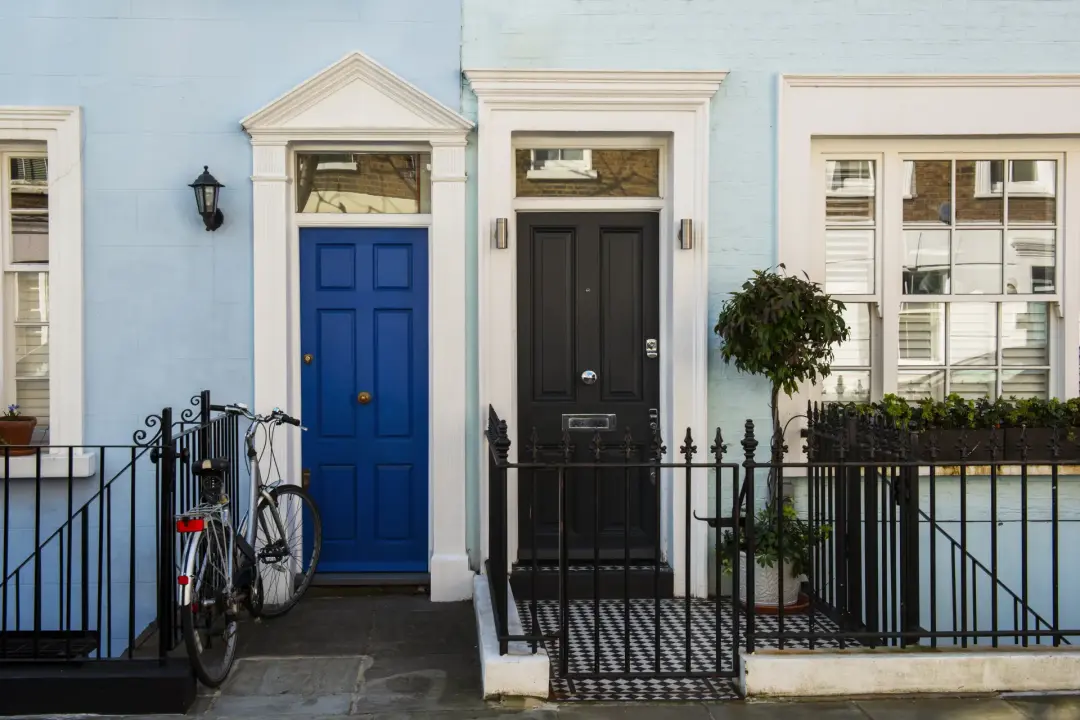
The type of finish matters as well as the colour. Timber may be painted, stained or treated to show more of its natural grain. Aluminium can be finished with a smooth, textured, matt or slightly reflective surface. The chosen finish should suit the material, provide suitable protection and be practical to maintain in the property’s location.
Smaller details can also be coordinated. Handles, hinges, letter plates, knockers and other fittings may be selected in finishes that complement the frame. This level of control can help the product feel complete rather than assembled from unrelated parts. It also makes it easier to create either a subtle match or a clear feature colour, depending on the intended design.
A High-Quality, Long-Lasting Option
Bespoke windows and doors are often chosen as a long-term investment. Because they are made for a particular property, more attention can be given to the suitability of the materials, construction and finish. This does not mean that every bespoke product is automatically high quality, but it gives the homeowner an opportunity to choose a strong specification.
Durability begins with selecting the right material for the location. A frame exposed to strong wind, heavy rain or coastal air may need different protection from one in a sheltered position. The quality of joints, seals, drainage paths and surface finishes will also affect how well the product performs over time.
Moving parts should always be considered carefully because they receive regular use. Hinges, locks, handles and sliding parts need to support the weight and size of the product. Oversized doors or windows may require stronger fittings than smaller units. A bespoke design allows these parts to be selected according to the actual demands placed on them.
Maintenance remains important, regardless of the material. Timber finishes may need renewal, while tracks, seals and drainage openings should be kept clean. Good care can help prevent minor issues from becoming serious faults. When they are well designed, correctly installed and properly maintained, bespoke windows and doors can provide dependable service while retaining their appearance for many years.
Improved Natural Light and Ventilation
Bespoke windows and doors can be planned to make better use of daylight. Standard frame layouts may contain wider sections than necessary or divide the glass in ways that block part of the view. A made-to-measure design can place frames, opening sections and glazing bars more carefully, helping more light reach the room.
The size and position of the glass can be adjusted to suit the space. A tall window may bring light deeper into a room, while a wide glazed door can connect an indoor area with the garden. In a darker part of the property, shaped or high-level glazing may be used to collect light without reducing privacy.
Ventilation can also be improved through suitable opening arrangements. A window can include small sections for regular airflow, larger sections for rapid ventilation or high-level openings that release warm air. The direction of opening can be selected according to the room layout, wind direction and available space.
Light and ventilation should be balanced with security, insulation and comfort. A very large glass area may need shading or specialist glass to prevent overheating. An opening window should also be safe and easy to reach. Bespoke planning allows these points to be considered together, creating a design that supports a brighter and fresher indoor environment without causing unnecessary practical problems.
Greater Comfort Throughout the Year
Indoor comfort depends on more than the temperature shown on a thermostat. Draughts, cold glass, strong sunlight and outside noise can all make a room feel unpleasant. Any bespoke windows and doors can be designed to address these issues according to the position and use of each space.
During colder weather, accurate fitting and suitable glazing can reduce cold air movement near the frame. A warmer internal glass surface may also make it more comfortable to sit close to a window. This can be especially valuable in bedrooms, living rooms and work areas where people remain in one position for longer periods.
In warmer weather, the design can help manage heat from sunlight. Glass that reduces some solar heat may be useful for large south-facing openings, while opening sections can support cross-ventilation. External shading, deep reveals and careful frame positioning may also form part of the wider plan.
Noise control can improve comfort throughout the year. Different glass thicknesses, laminated layers and well-sealed frames may reduce the amount of outside sound entering a room. The correct solution depends on the source and level of noise. By adjusting each product to its location, bespoke design can support steady temperatures, quieter rooms and better airflow in every season.
Increased Kerb Appeal
Windows and doors are among the first features people notice when viewing a property from the street. Their colour, shape, spacing and condition affect the overall impression of the building. Bespoke products can improve this appearance by fitting the openings properly and matching the scale of the elevation.
A front door can become a strong focal point when its design suits the property. The panel layout, glass, hardware and colour can be chosen to complement the entrance and surrounding materials. Windows can then support the same design through matching finishes or repeated details.
Correct proportions are particularly important. Frames that are too thick, glazing bars that are badly placed or products that sit awkwardly within the wall can disturb the balance of the building. Bespoke manufacturing allows the visible sections to be adjusted so that the finished installation appears more natural and carefully considered.
Kerb appeal is not only about creating a bold change. In many cases, the best result comes from restoring visual order and consistency. Matching window styles, clean finishes and well-planned details can make the property look better maintained. This can give visitors and potential buyers a positive first impression while also increasing the homeowner’s enjoyment of the building.
Added Value for Your Property
High-quality bespoke windows and doors can add value by improving several parts of a property at once. They may strengthen its appearance, energy performance, security and everyday comfort. These benefits can make the home more attractive to future buyers, particularly when the products suit the building and have been well maintained.
The effect on value will depend on the property, local market and quality of the work. Bespoke products should not be viewed as a guaranteed way to recover every part of the cost. However, poorly fitting or unsuitable windows and doors can discourage buyers because they may expect further expense after moving in.
Documentation can support the value of the improvement. Records of the product specification, installation, guarantees and any required permissions should be kept safely. For listed buildings or properties in controlled areas, evidence that the work received the correct approval can be especially important during a future sale.
The strongest value often comes from choosing products that will remain suitable for many years. A design based only on a short-lived trend may date quickly, while one that respects the property’s proportions is more likely to retain its appeal. When selected carefully, bespoke windows and doors can become a lasting part of the home rather than a temporary surface improvement.
The Dereham Window Company Ltd provides the best bespoke door and window services in and around Dereham. Whatever you require, our professional team can assist you with everything from small repairs to installing a completely new doors and windows.